Film Farm History
The Independent Imaging Retreat, co-founded by Philip Hoffman and Marian McMahon, began in the summer of 1994 as a pro-active response to the increasing cost and commercialization of film production programs, professional development opportunities for artists and filmmaking workshops.
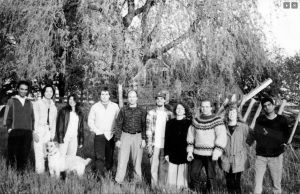
Frustrated with federal and provincial cutbacks to education and limited creative opportunities for independent filmmakers, Canadian experimental filmmaker Philip Hoffman set out to create a context in which film could be taught and explored with integrity, innovation and compassion.
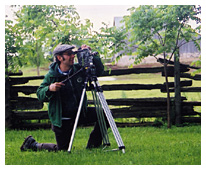
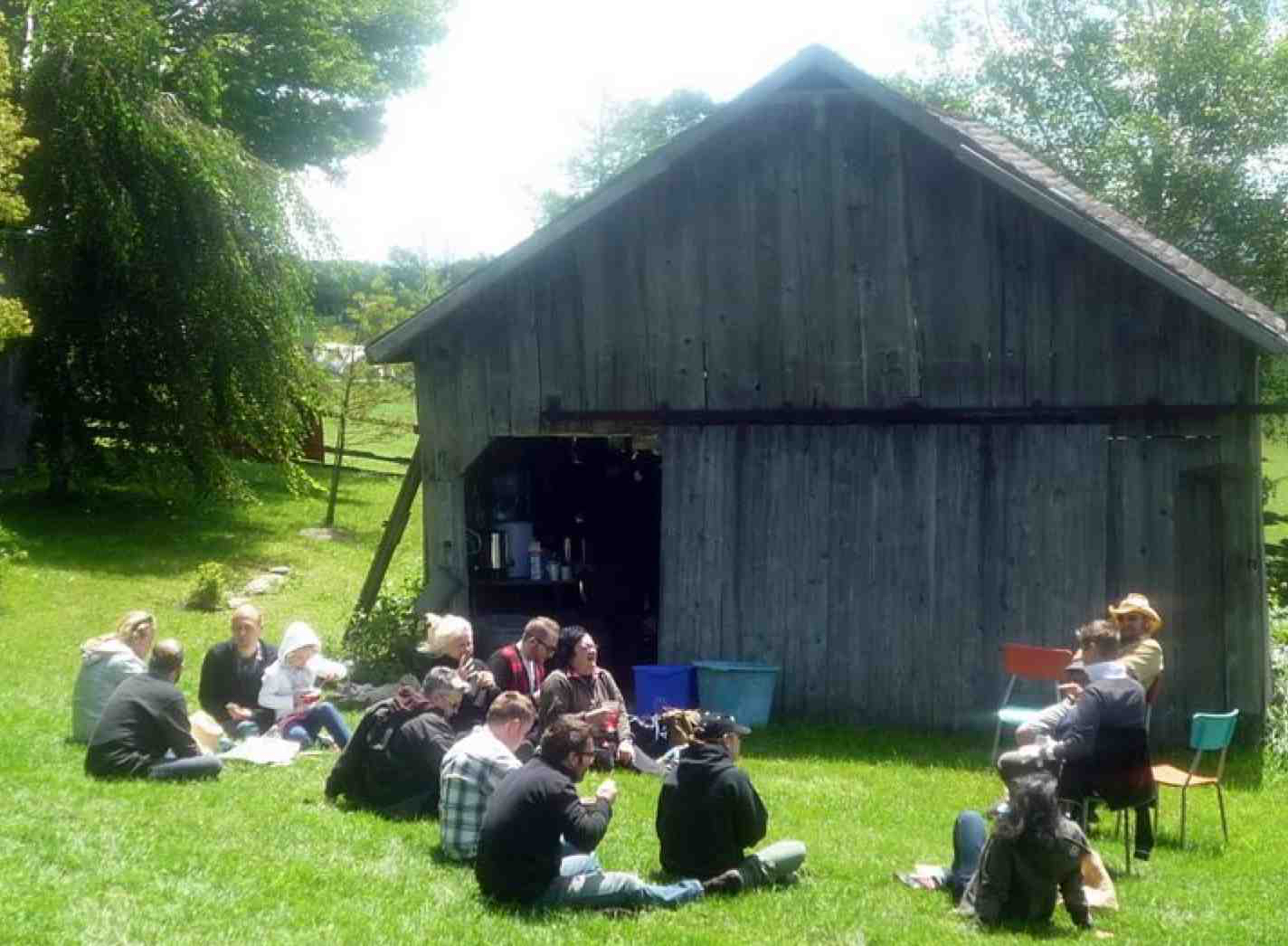
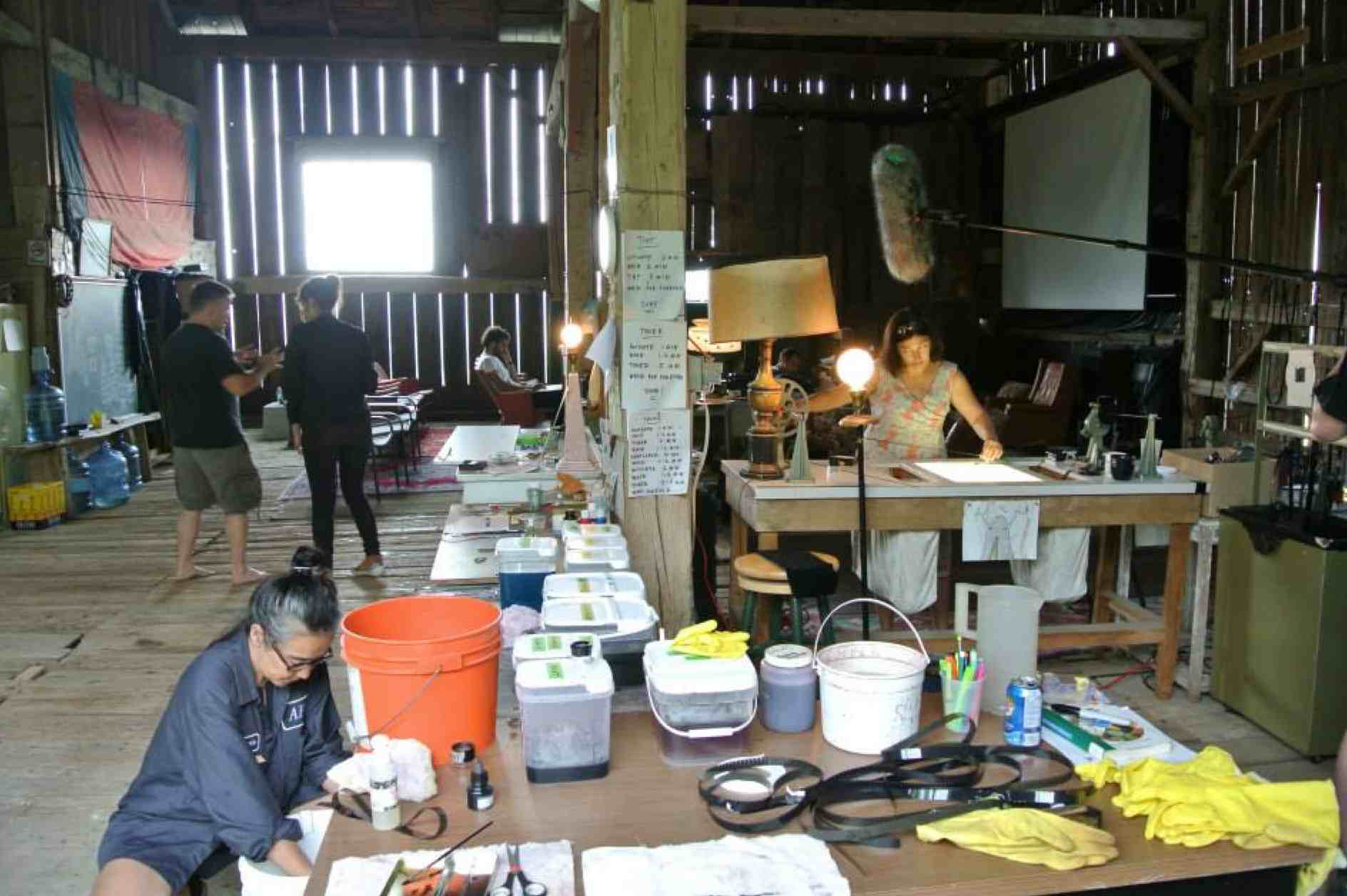
The workshop would place an emphasis on experimentation, personal expression and the use of hand processing techniques. The Retreat began with a modest budget at Hoffman’s home in rural Mount Forest, Ontario. With the most basic film materials, an antiquated film processing machine, a makeshift darkroom and screening facility, and a small group of dedicated volunteer artists (including filmmakers Rob Butterworth, Tracy German and Marian McMahon), the workshop facilitated the filmmaking of six participants.
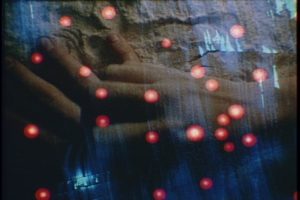
With such limited resources, it quickly became evident that imperfections and surprises were to become a critical source for creative and aesthetic possibilities and a philosophy for the workshop was born.
From 1994 to 1998 the Retreat received institutional support from Sheridan College in the form of a basic administrative structure, cameras, tripods, light meters and related filmmaking materials.
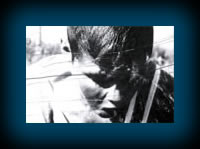
‘Enlightened Nonsense’ shot in 1999 workshop
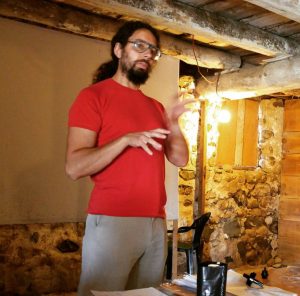
In 1999, however, Hoffman began teaching at York University, losing essential support from the institution.
The Retreat continues to operate on a not-for-profit basis. It is artist driven and remains focused on the development of individual artists and the production of experimental film works.
For more than 30 years, the Independent Imaging Retreat has initiated and enhanced the work of local, national and international independent filmmakers and has expanded the traditions of experimental filmmaking in Canada and abroad.
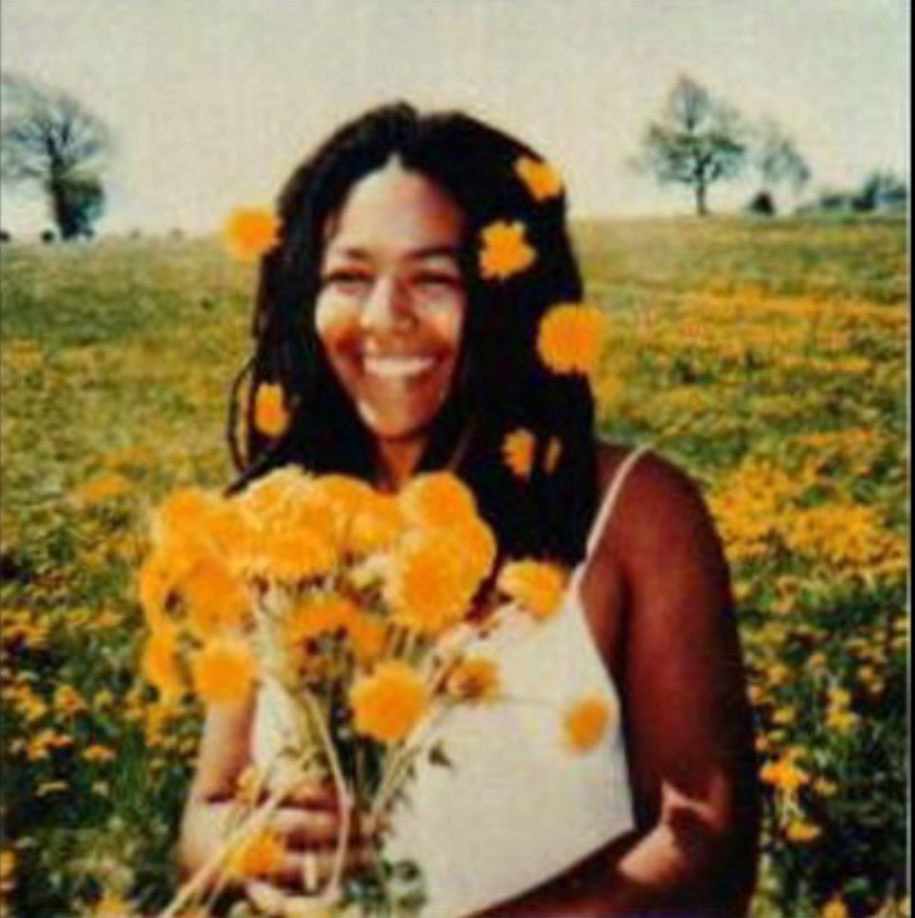
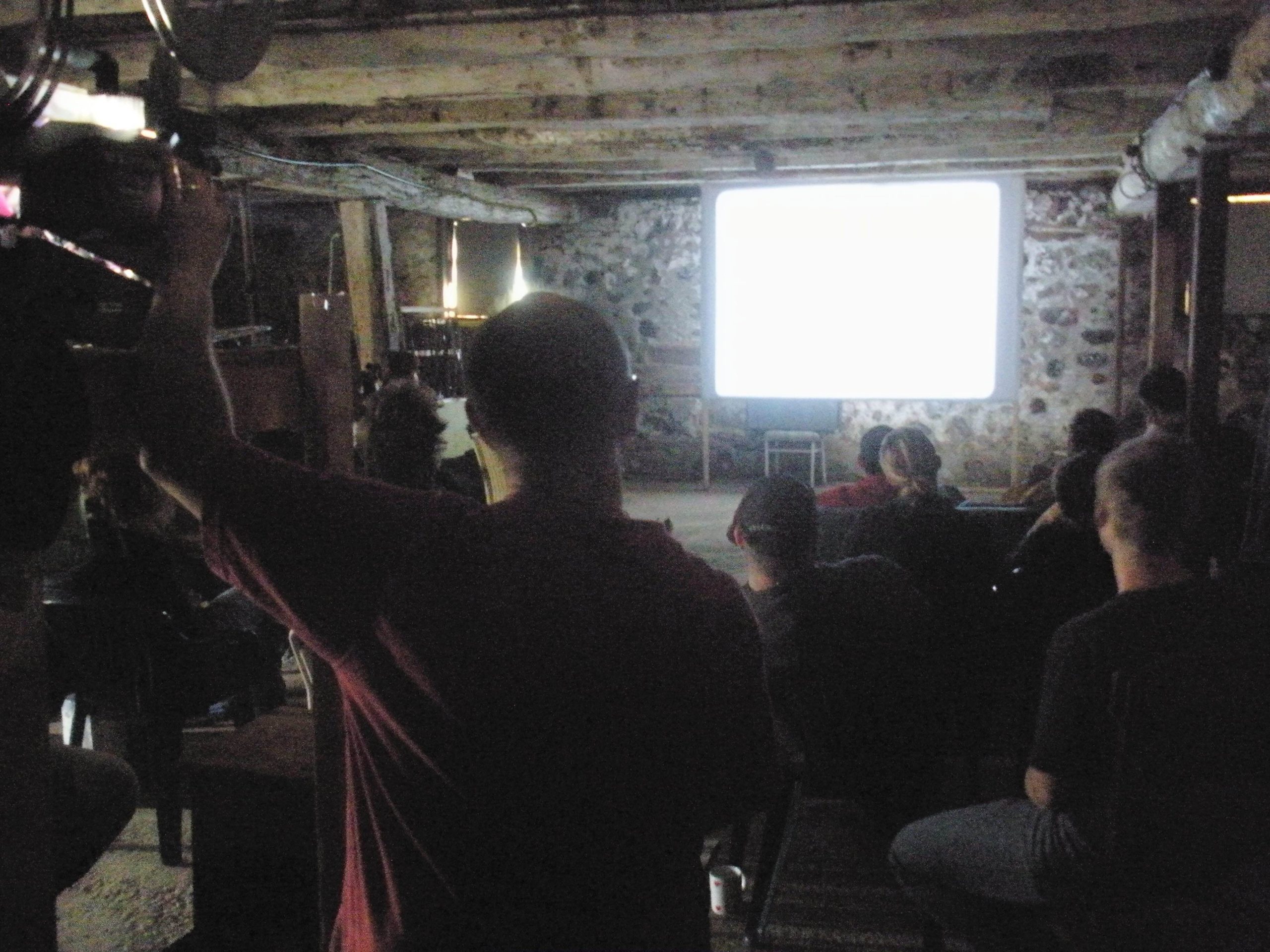
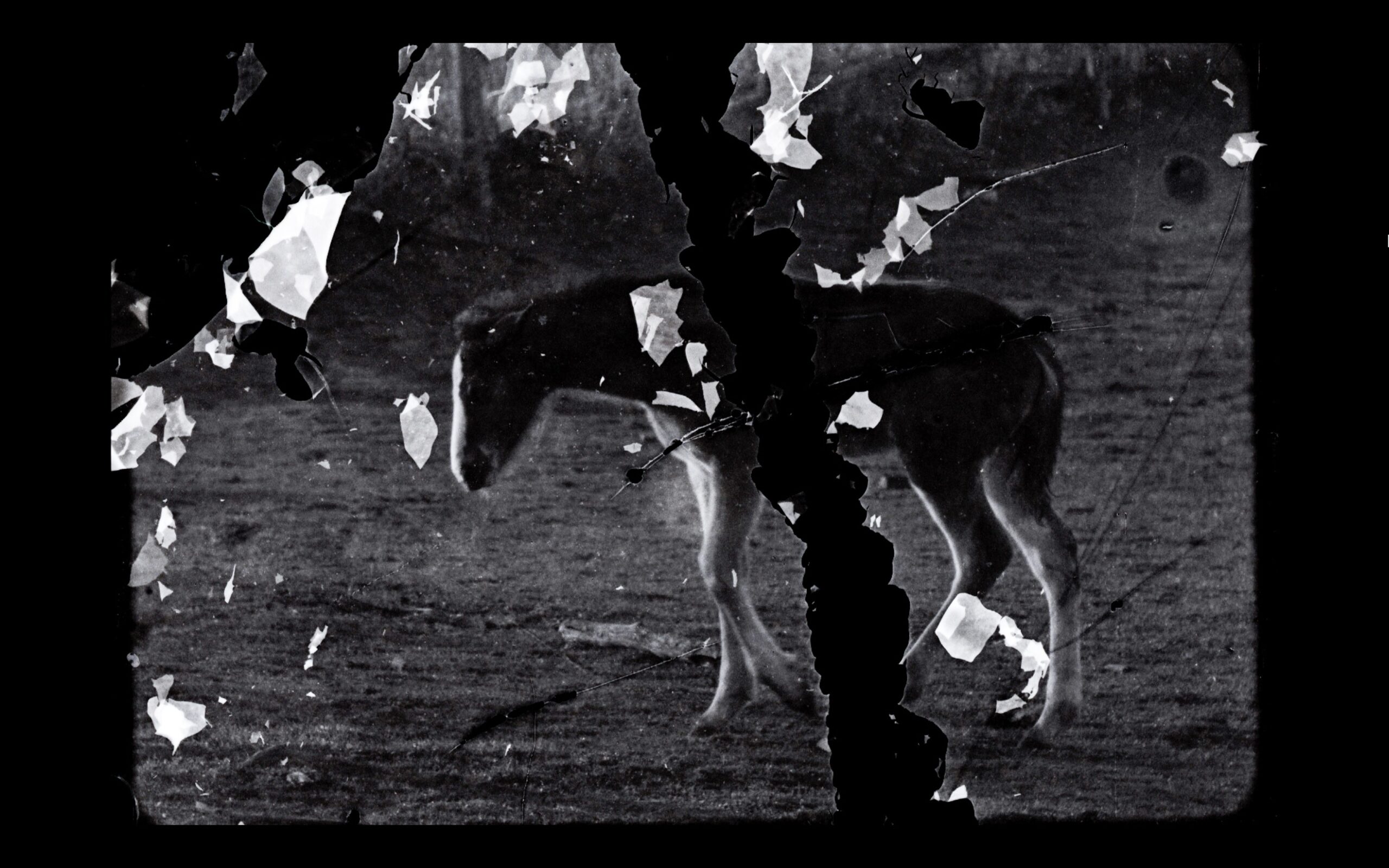
clip from `Dandelions’ Here
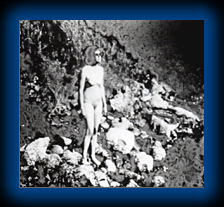
We Are Going Home Here
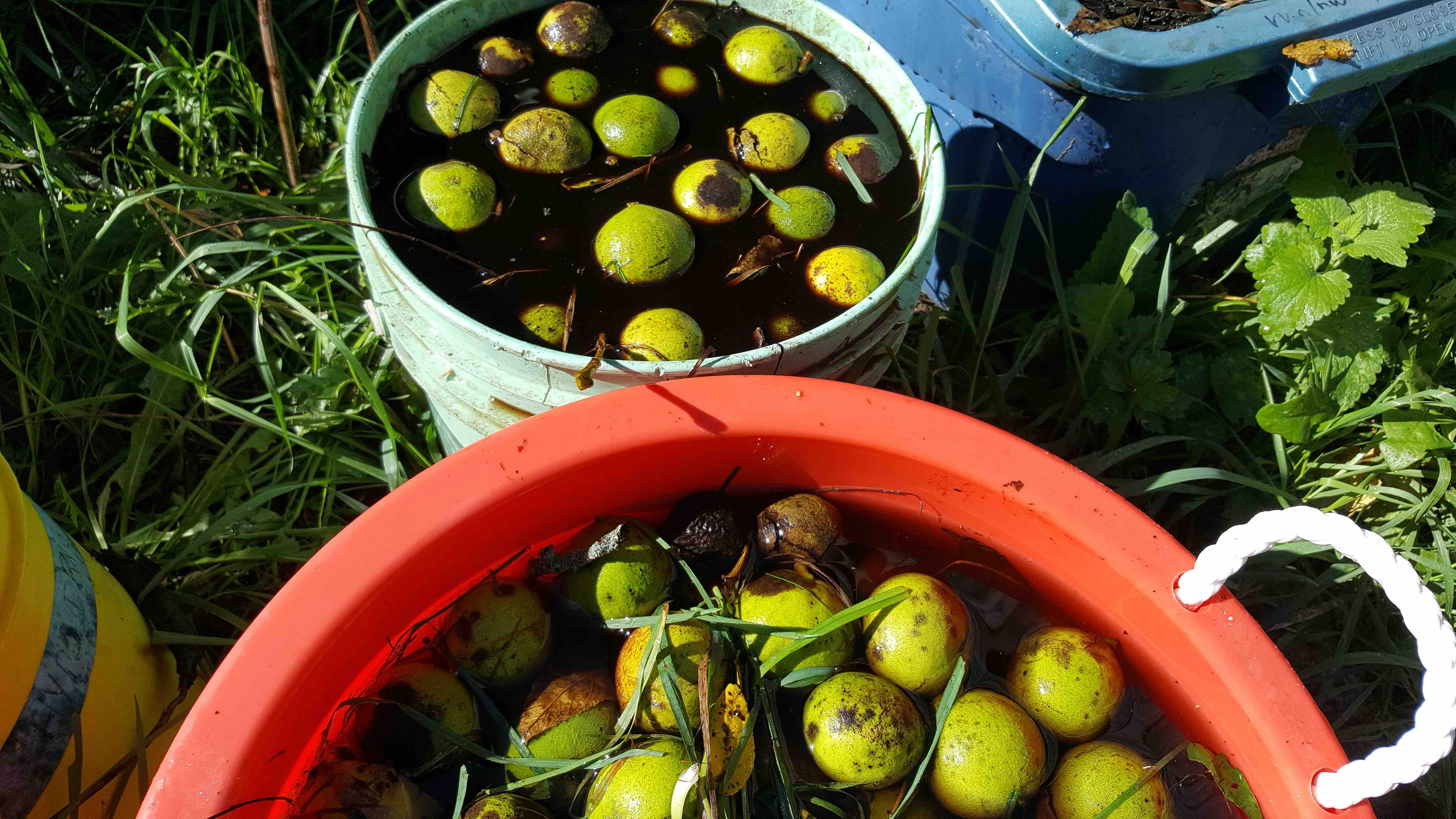
Since 2008, the workshop has been exploring the use of cafenol and other bothanical developing and tinting processes.
OF THE 310 PARTICIPANTS SINCE 1994
146 of them have been from Ontario
50 from across Canada
59 from the USA, and
5 from Finland, 2 from Turkey and Holland
7 from the U.K., France, Australia, Cuba, Germany, Ukraine, Palestine, Ireland,Belgium,Sweden,Brasil,Spain,Switzerland, Barbados, Denmark, and Austria
32 participants have attended the Retreat from parts of Ontario outside the major centers of film production.
2/3’s of the Film Farm’s attendees have been women
There have also been over 30 Ontario residents who have worked at the Retreat, in various capacities, to ensure its success. The benefit to the public of the Independent Imaging Retreat is realized through exclusive local, national and international screenings showcasing the independent, autobiographical, hand processed aesthetic of the Retreat.
- 143 films made since 1994!
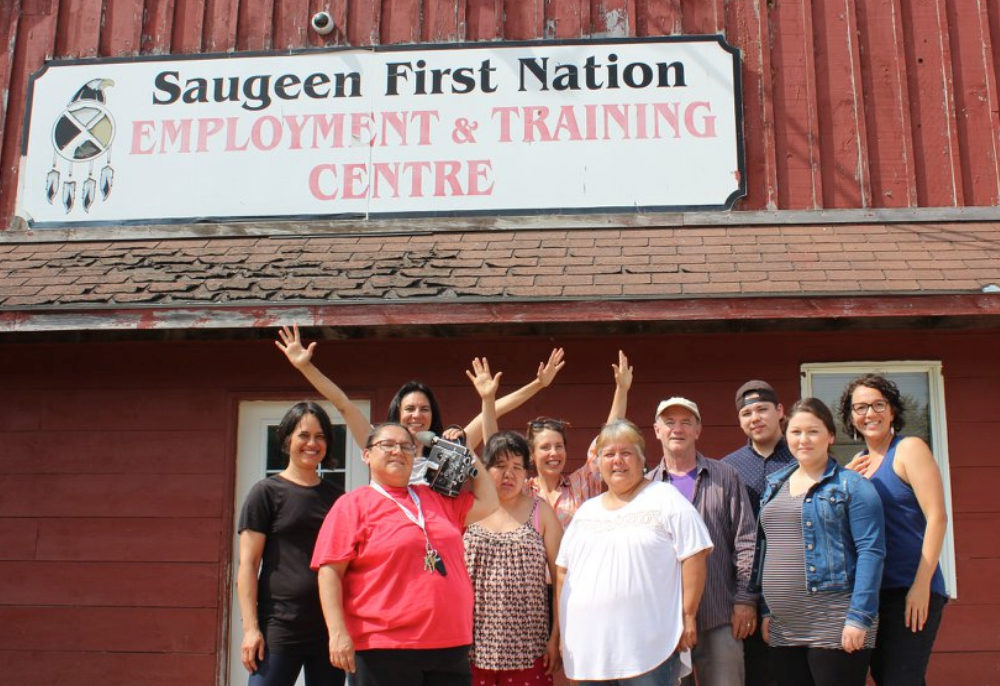
Saugeen Takes on Film Workshops
Retrospectives of participants’ films have taken place at T.A.P.E. through FilmForum (2025), Other Cinema, San Francisco (2024), S-8 Festival, A Coruña, Spain (2024), Silent Green, Berlin (2019), TIFF Bell Lightbox (2019), Alchemy in Scotland (2017), Lux in London (2015 & 2002), Echo Park Film Center (2014), Pleasure Dome in Toronto (2015), WNDX in Winnipeg (2014), the MIX Festival in New York City; Cinematheque Ontario in Toronto; the Other Cinema in San Francisco, Berlinale in 2009, California; Blinding Light in Vancouver, the Saskatchewan Film Pool in Regina; the Kiasma Museum of Contemporary Art in Helsinki, Finland; the Trivandrum Film Festival in India (2003); and at the Fabulous Festival of Fringe Film in Durham, Ont., (2005).
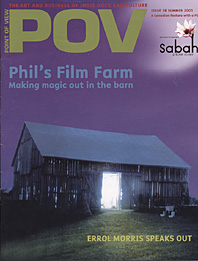 The Film Farm is featured in the recent publication, Process Cinema: Handmade Film in the Digital Age (Marchessault/MacKenzie 2019), as well critical essays and articles about the workshop and the films made there have appeared in numerous publications: The Education of the Filmmaker: Views From Around the World (Hjort/MacKenzie 2013); POV: The Harvest of Philip Hoffman by Janis Cole; LUX: A Decade of Artists Film and Video (Toronto, 2000); Cantrills Filmnotes (Australia, 1998); Release Print (San Francisco Film Foundation, 1999); Landscape with Shipwreck — First Person Cinema and the Films of Philip Hoffman(Insomniac Press, 2001) ; The Journal of the Moving Image Archive (2004); in newspaper articles (NOW, Toronto Star) and in various newsletters (LIFT, IFCO). In addition, the Independent Imaging Retreat has maintained an important collaboration with the Images Festival of Independent Film and Video (Toronto).
POV Article Here
25th Anniversary Celebrations at TIFF Bell Lightbox Here

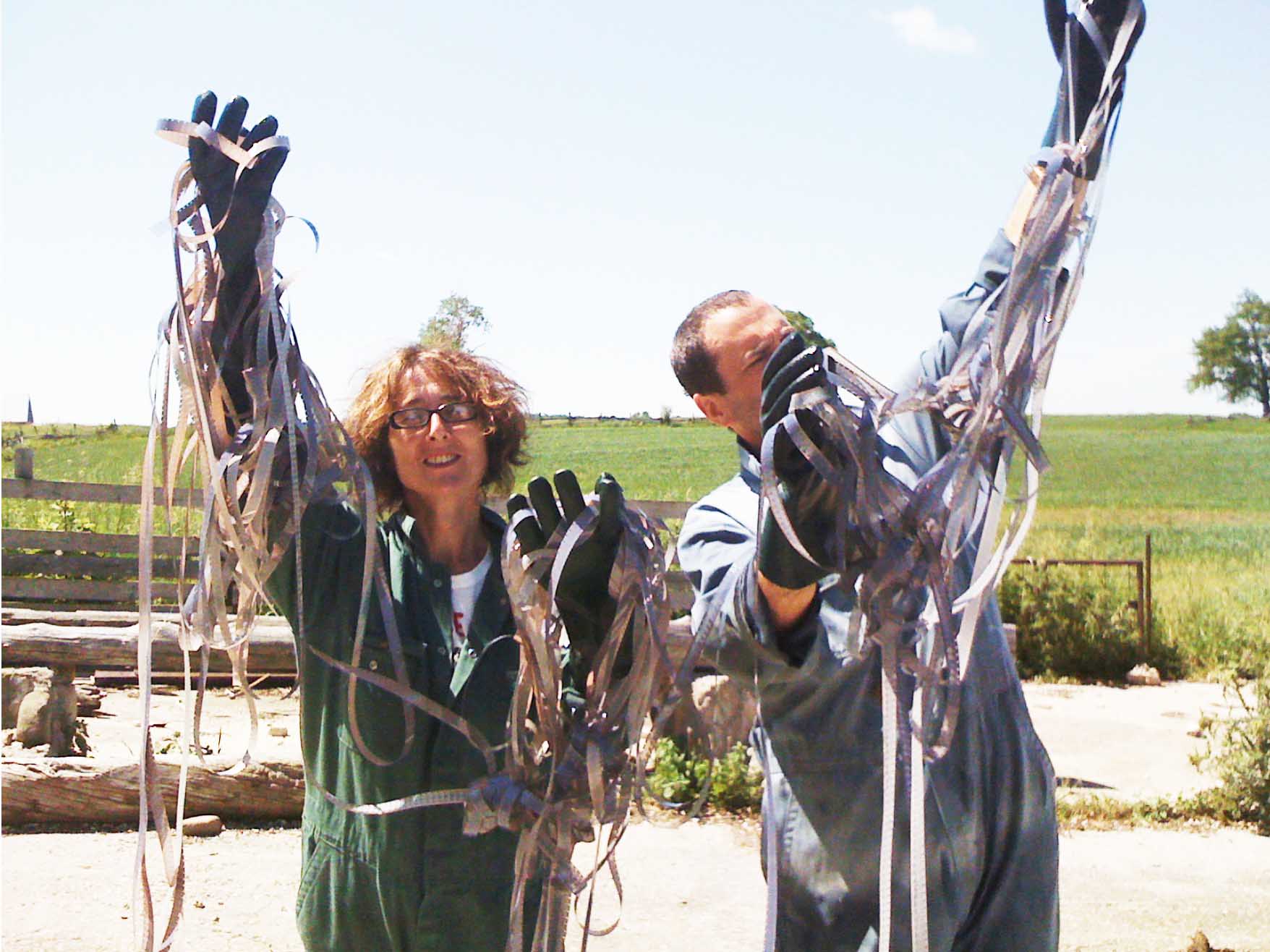
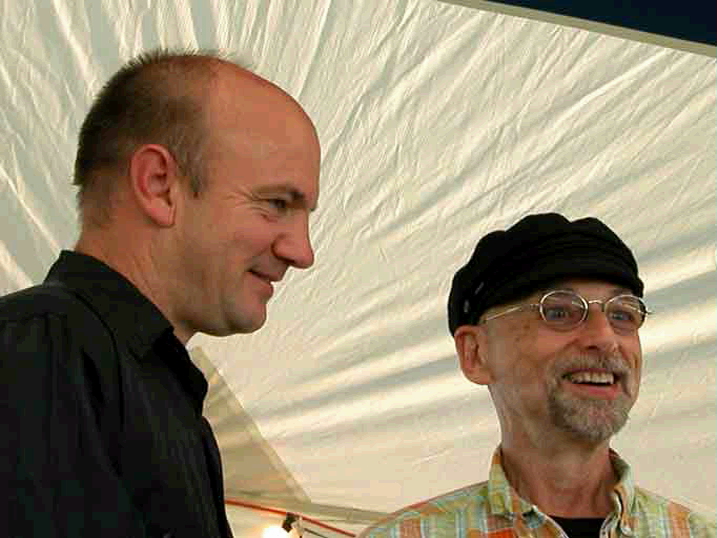
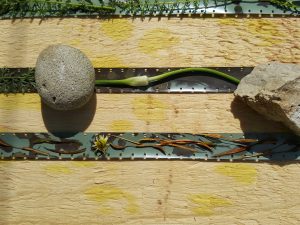
Karel Doing’s Phytogram Workshop, 2018
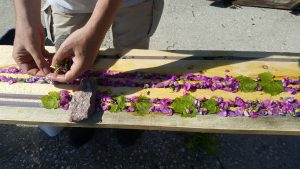
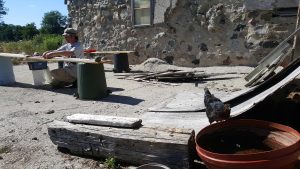
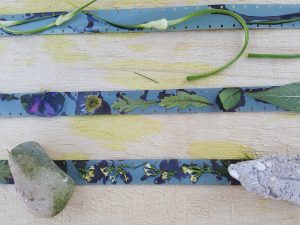
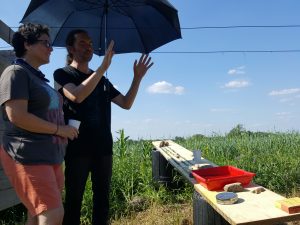
Madi Piller and Karel Doing, 2018
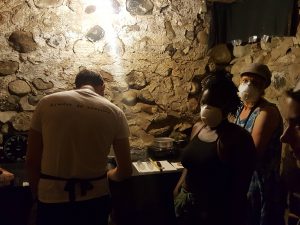
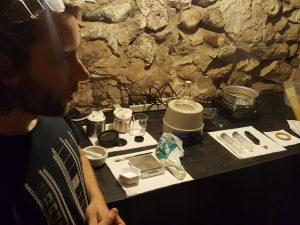
Kevin Rice Emulsion Making Wkshp, 2018

Lisa Marr hanging film to dry, 2013
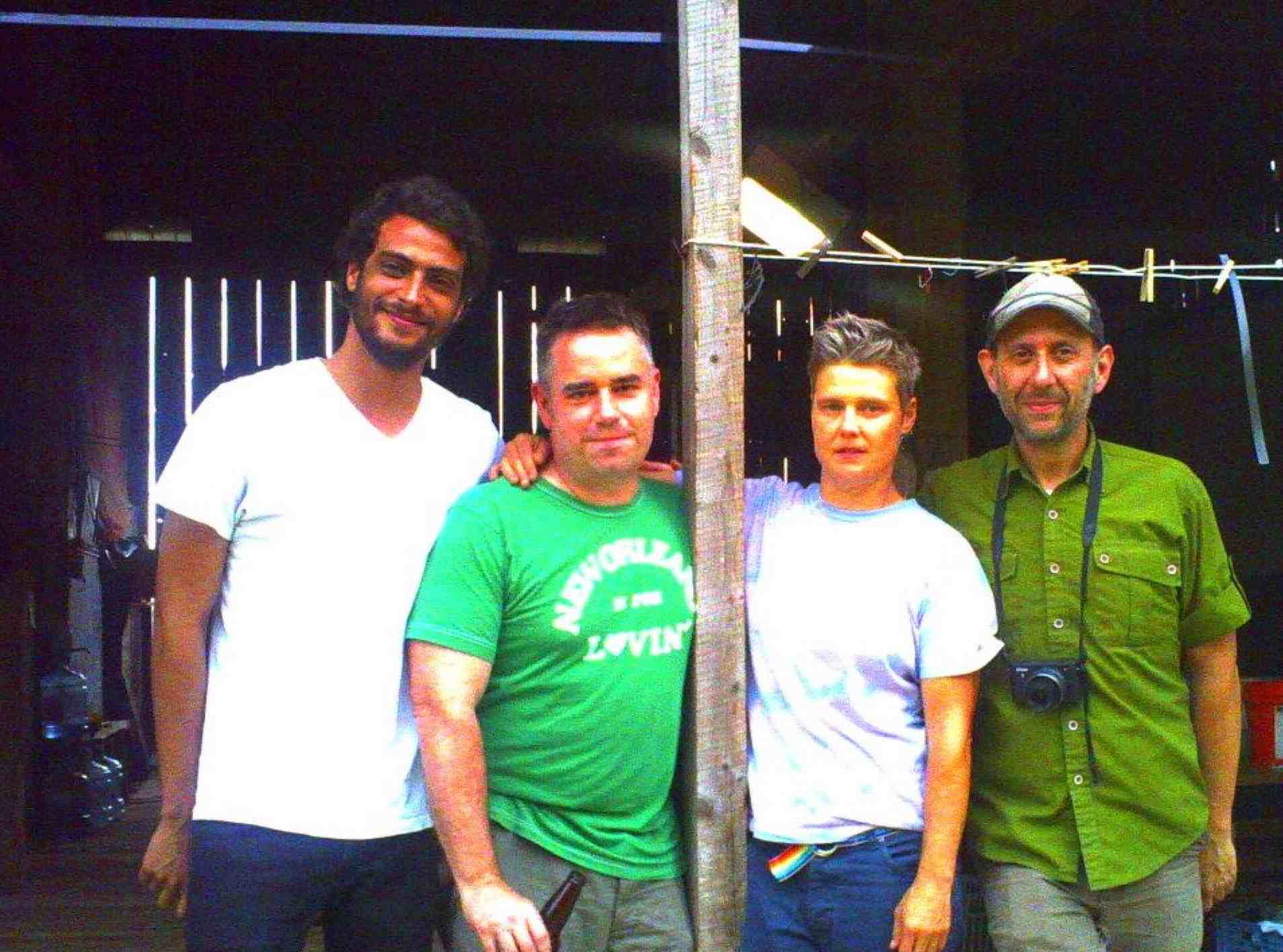
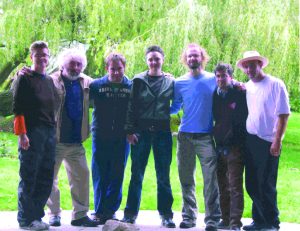
Film Farm Staff: Marcel, Rob, Deirdre, Scott
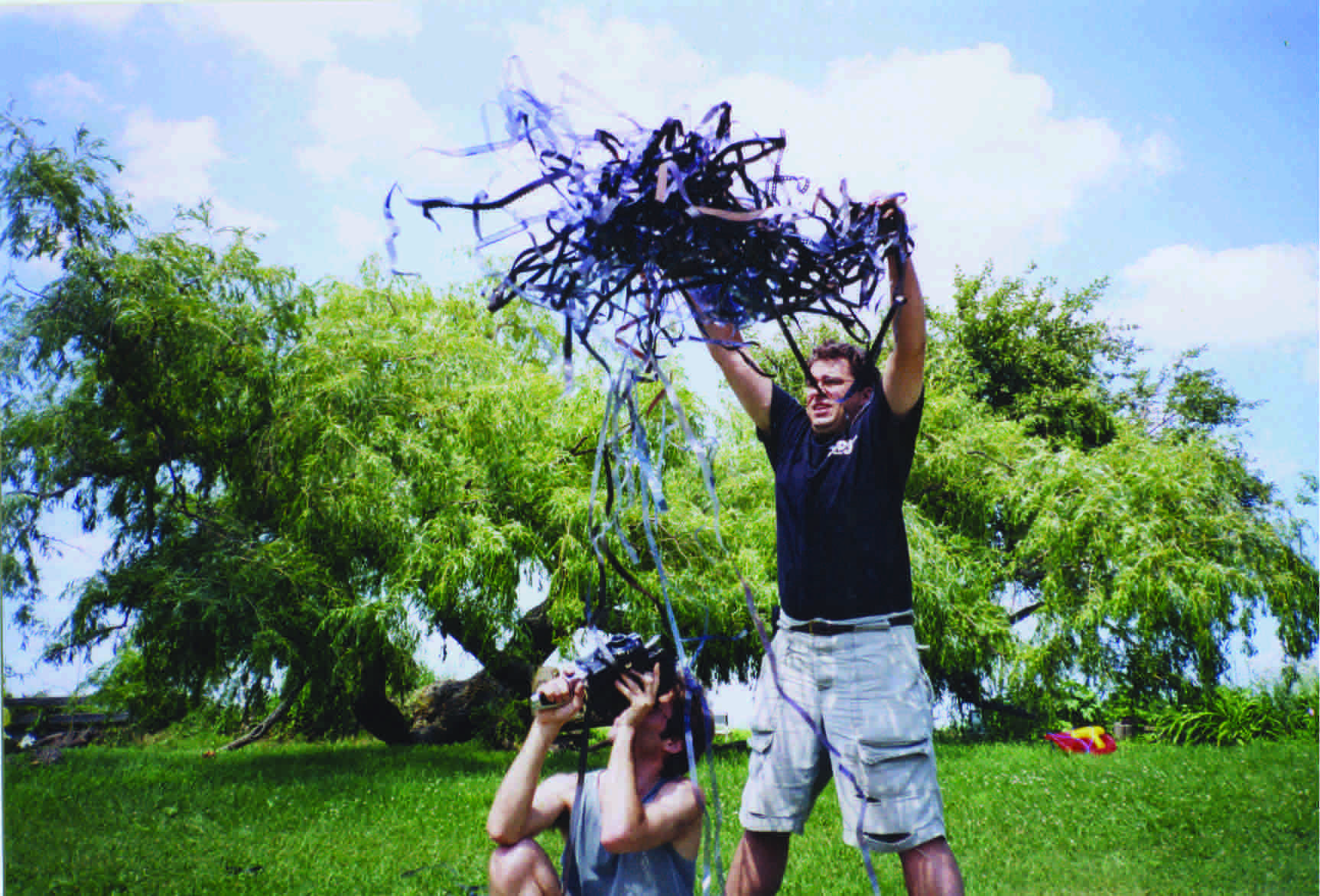
Melanie and Alphonso Alvarez, 2003

Kiti Luostarinen filming her feet, 1994
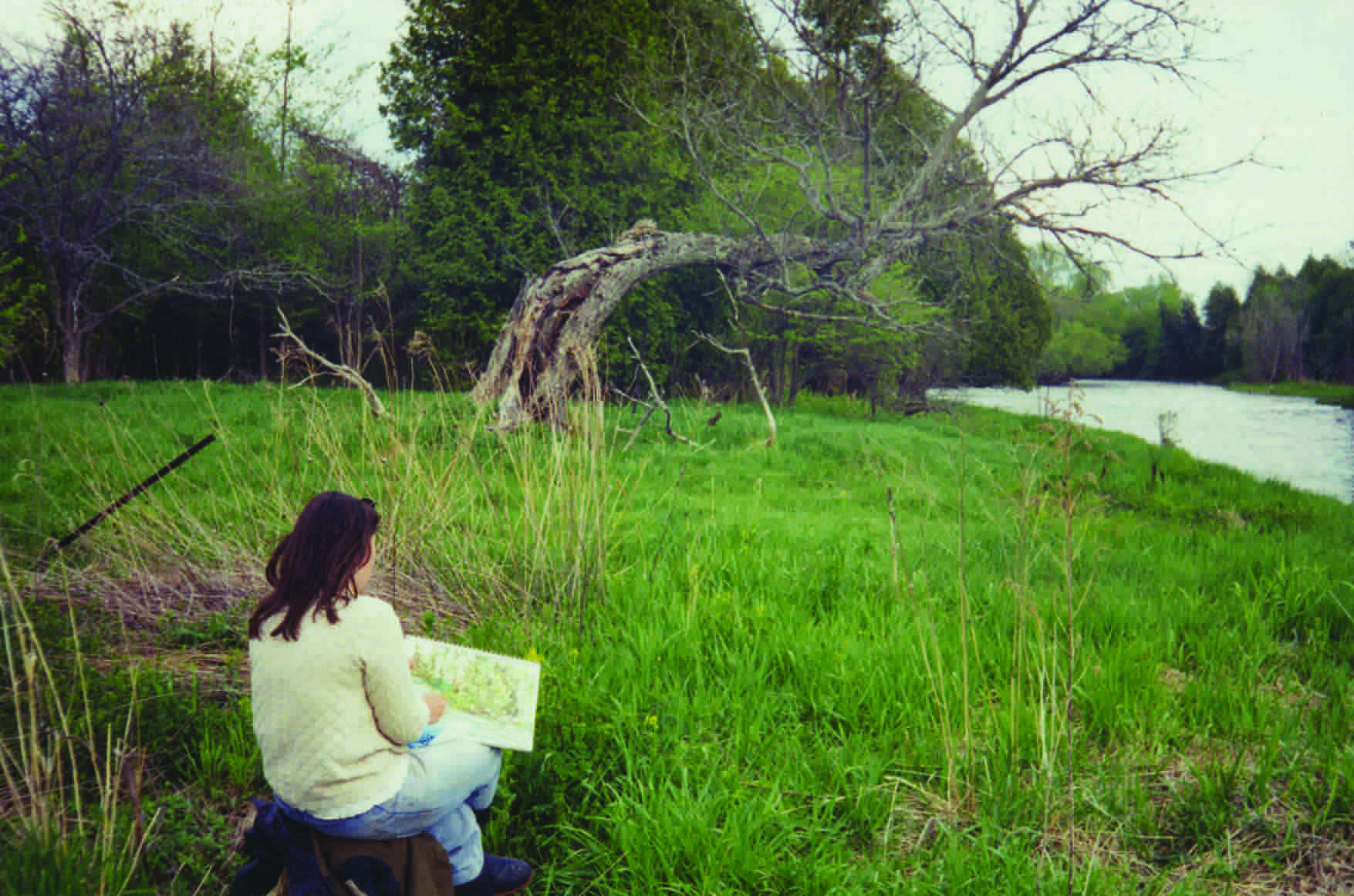
Tracy German at the Saugeen River, 1994
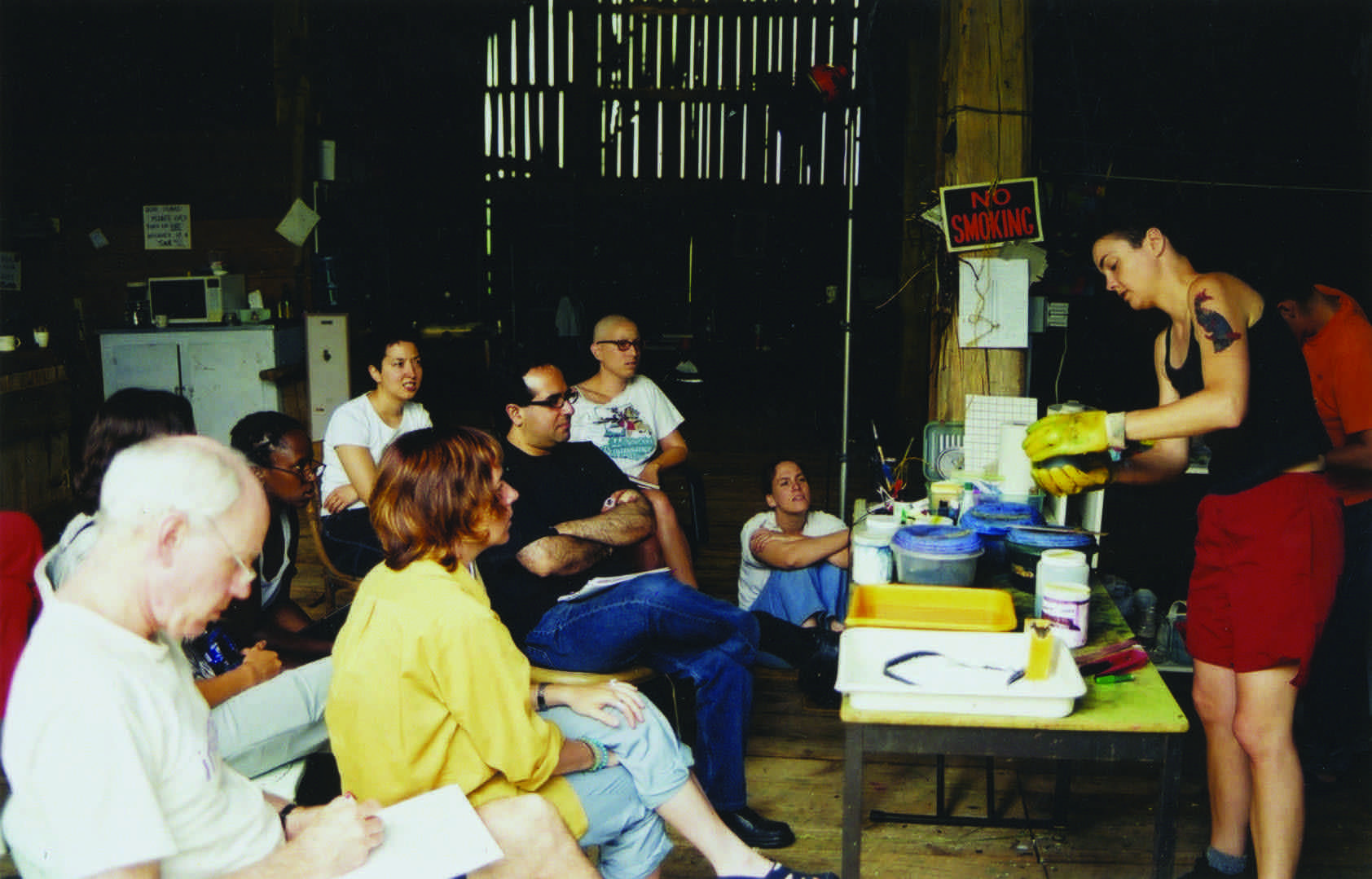
Karyn Sandlos, Tint & Tone Workshop
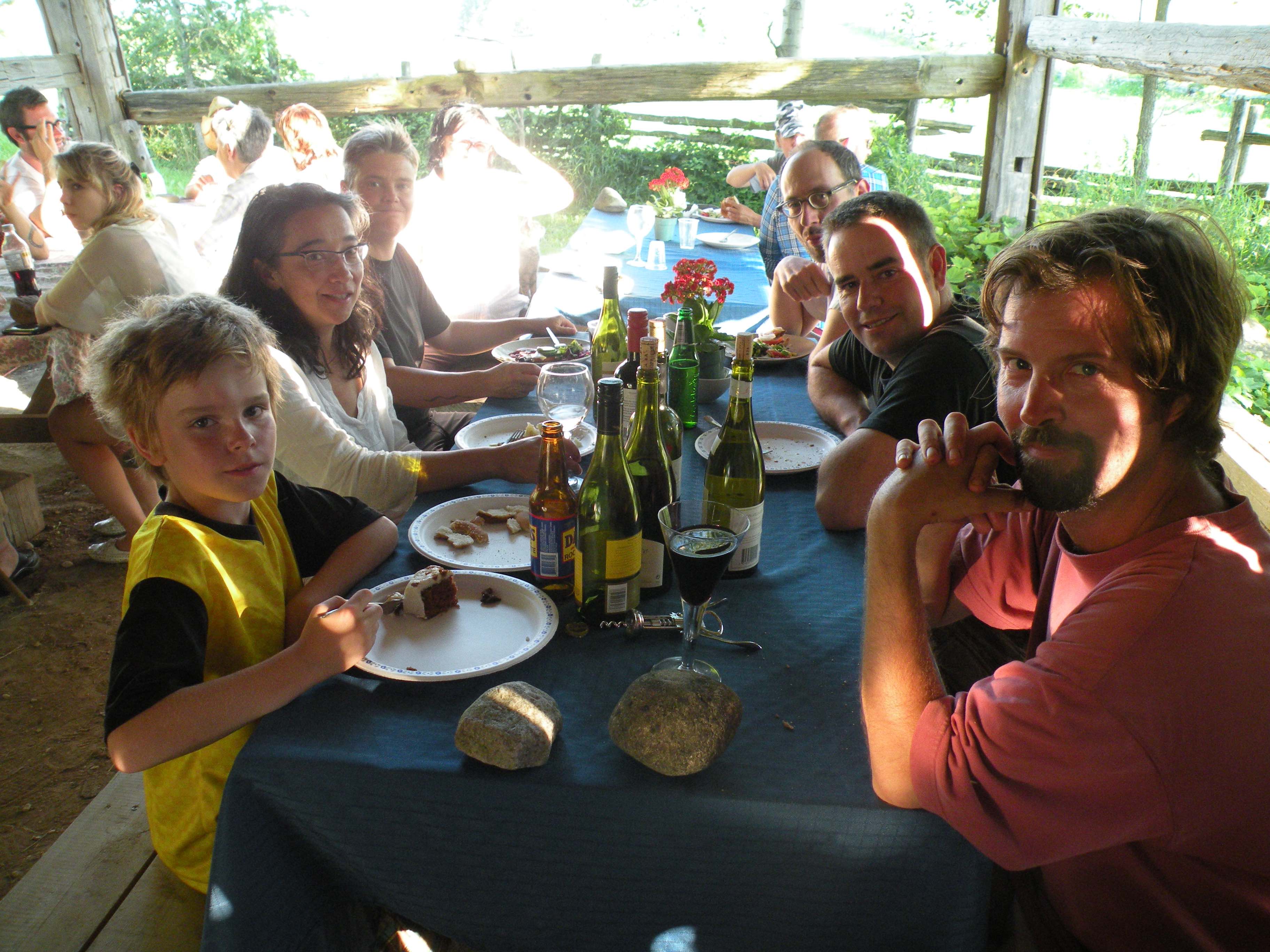
Cine-chef Scott MacKenzie on break
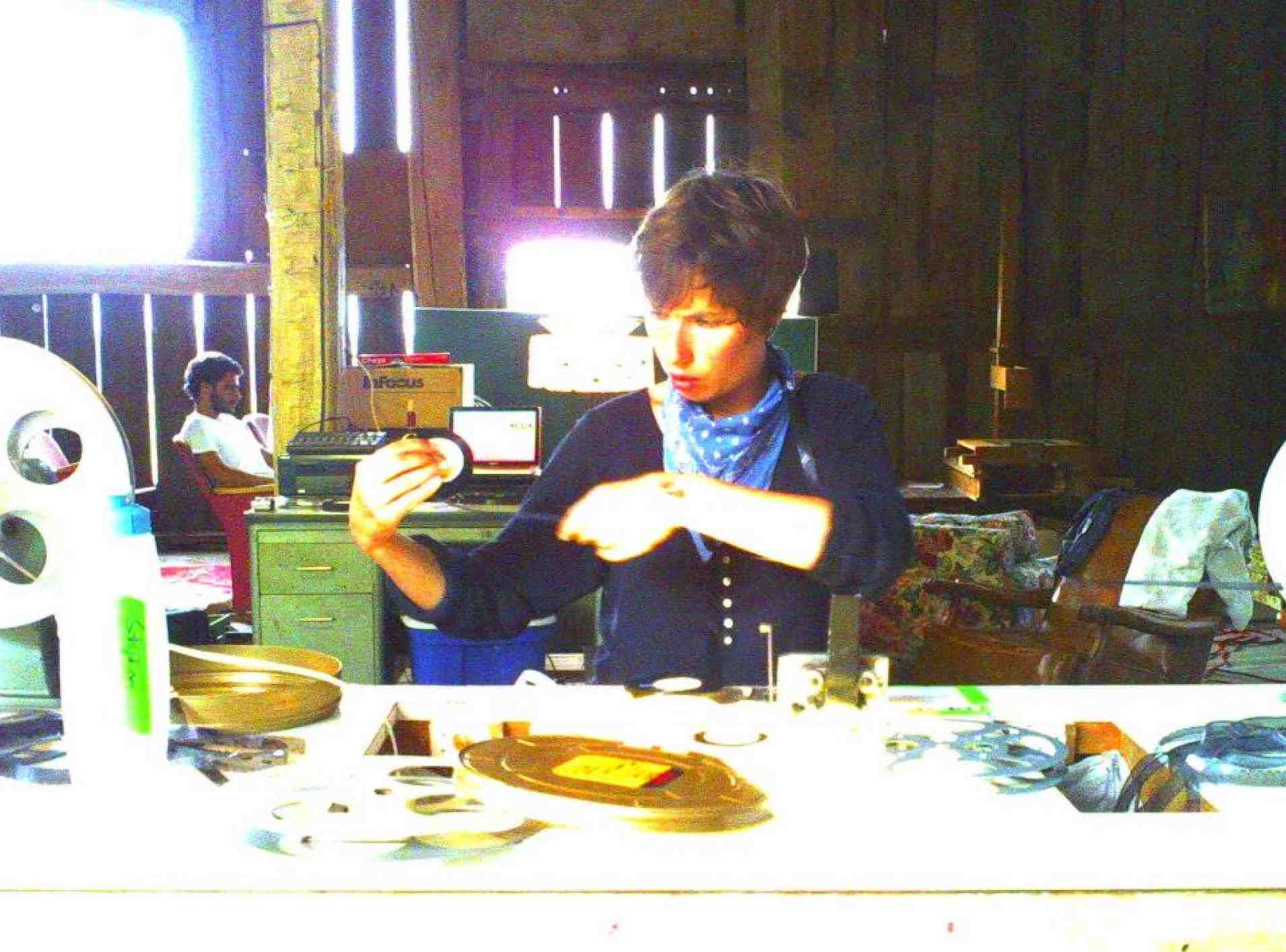
Terra Jean Long on the edit
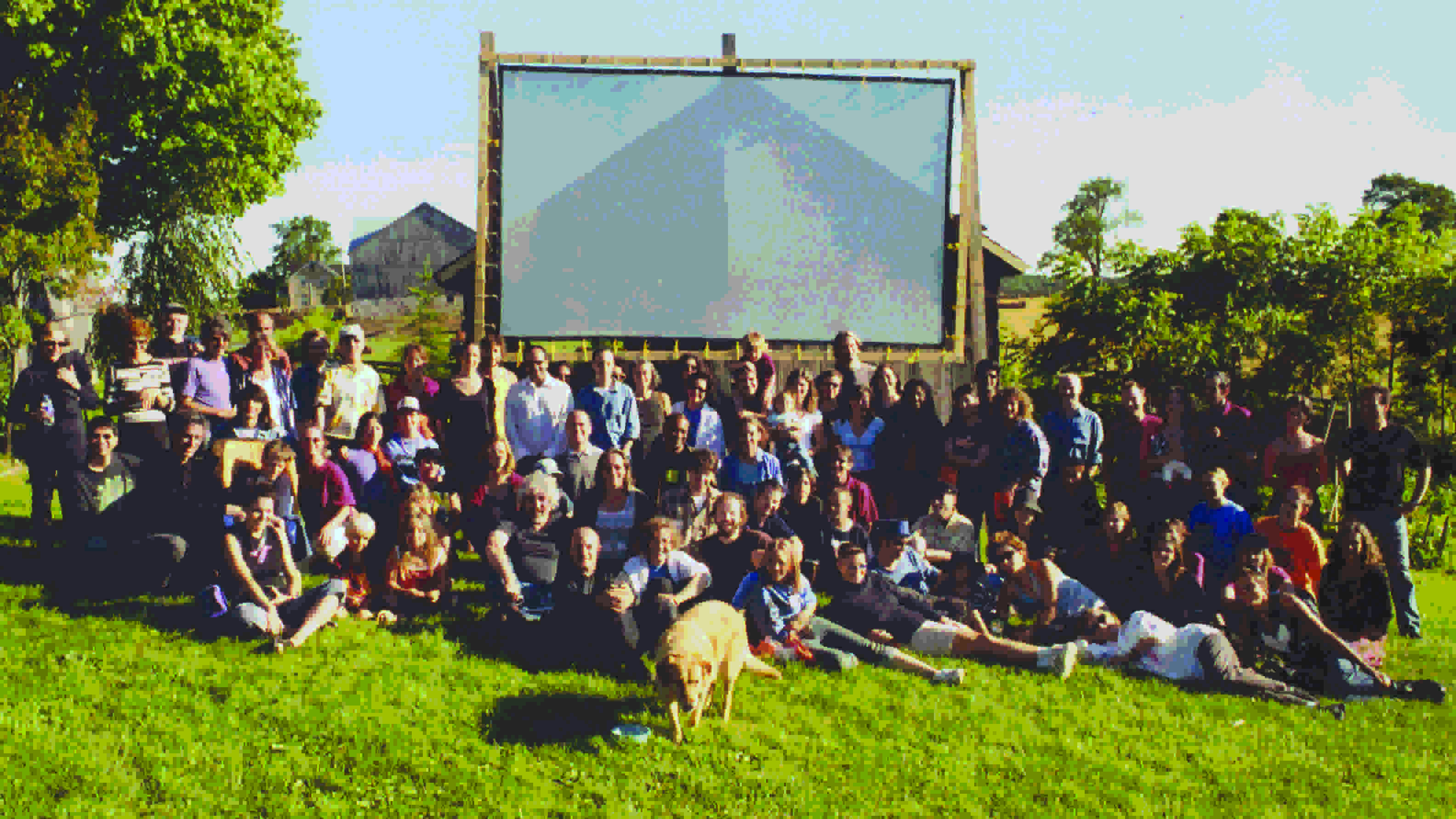
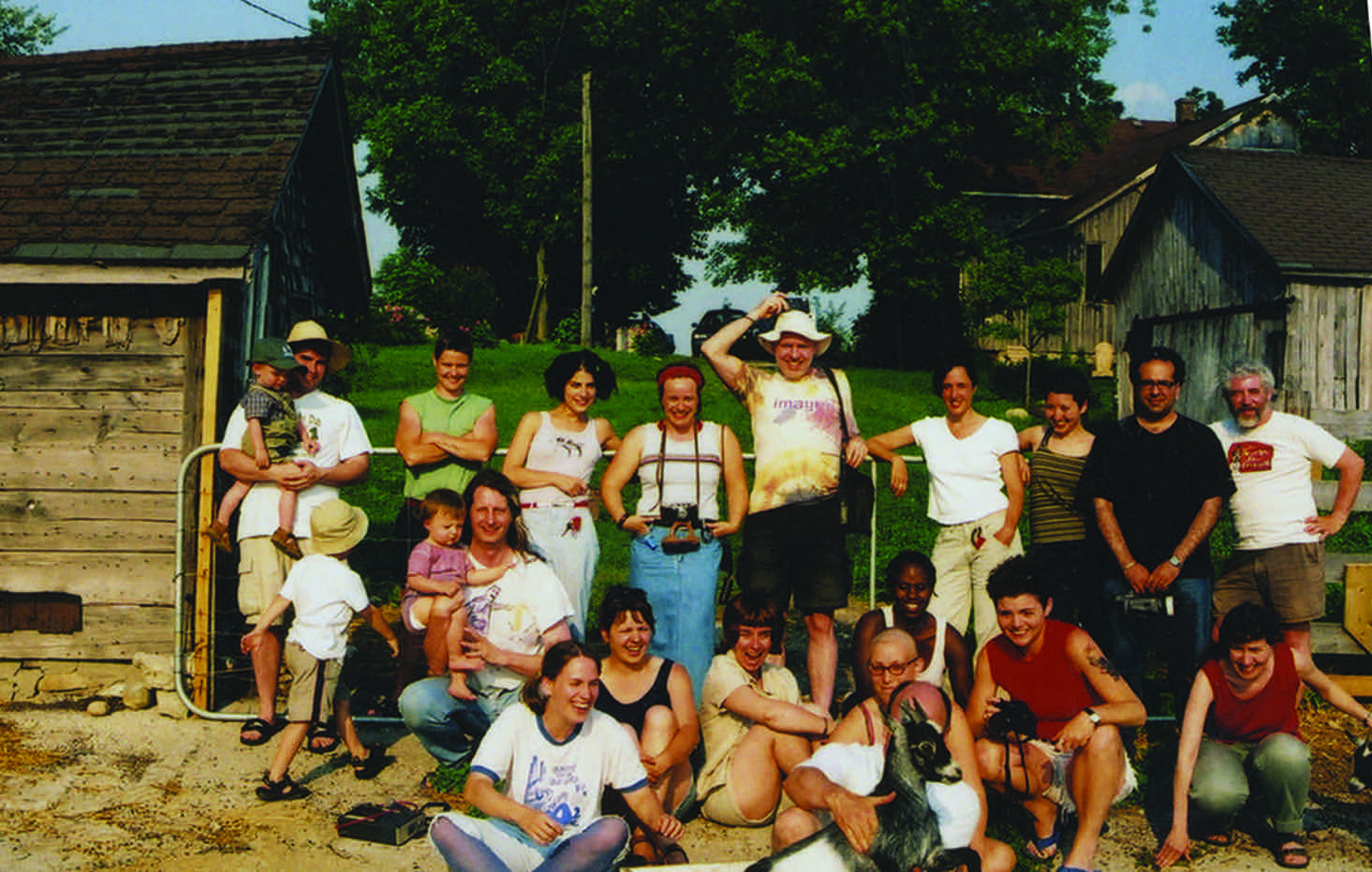
10th Anniversary Film Farm, 2004
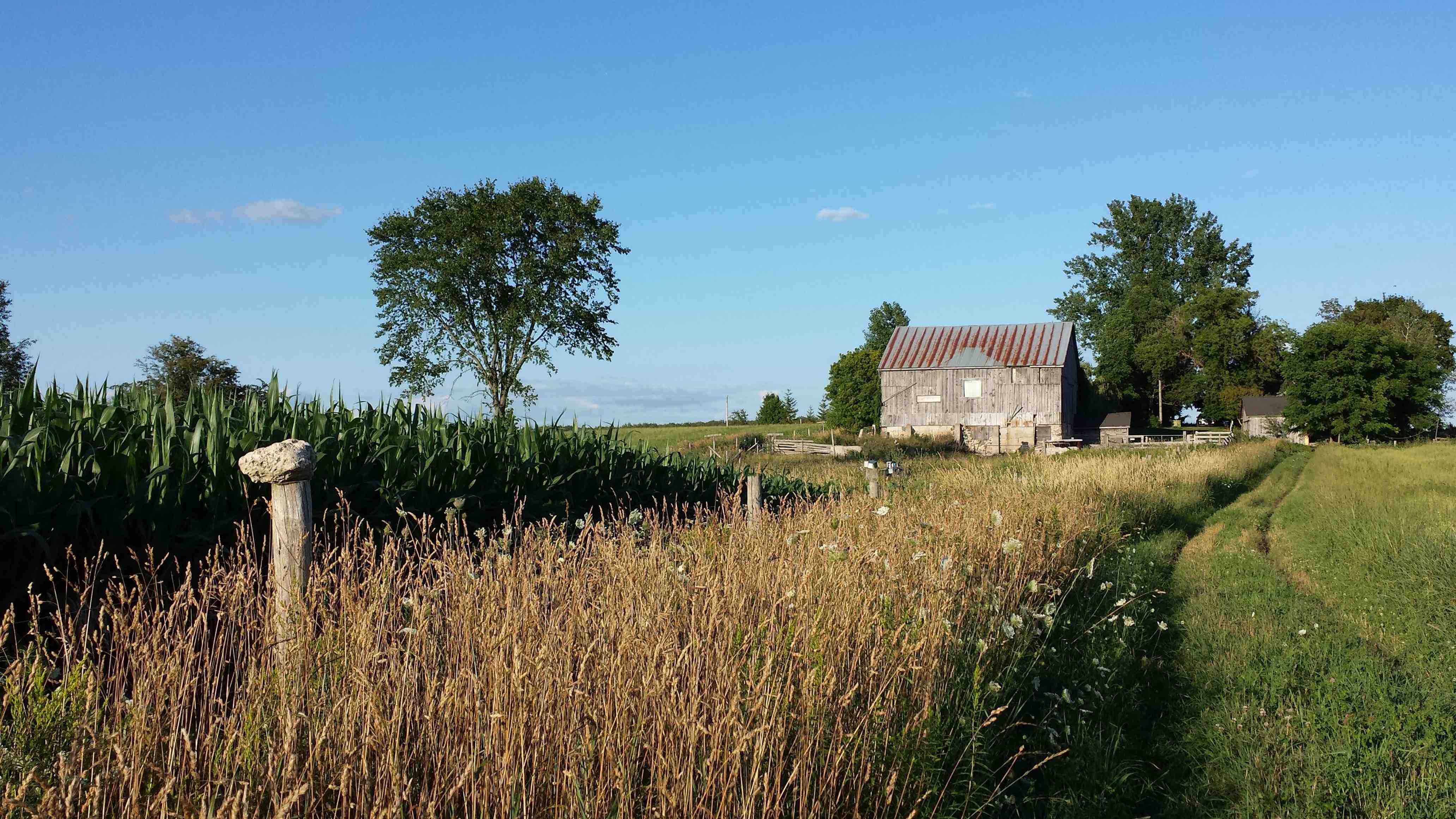
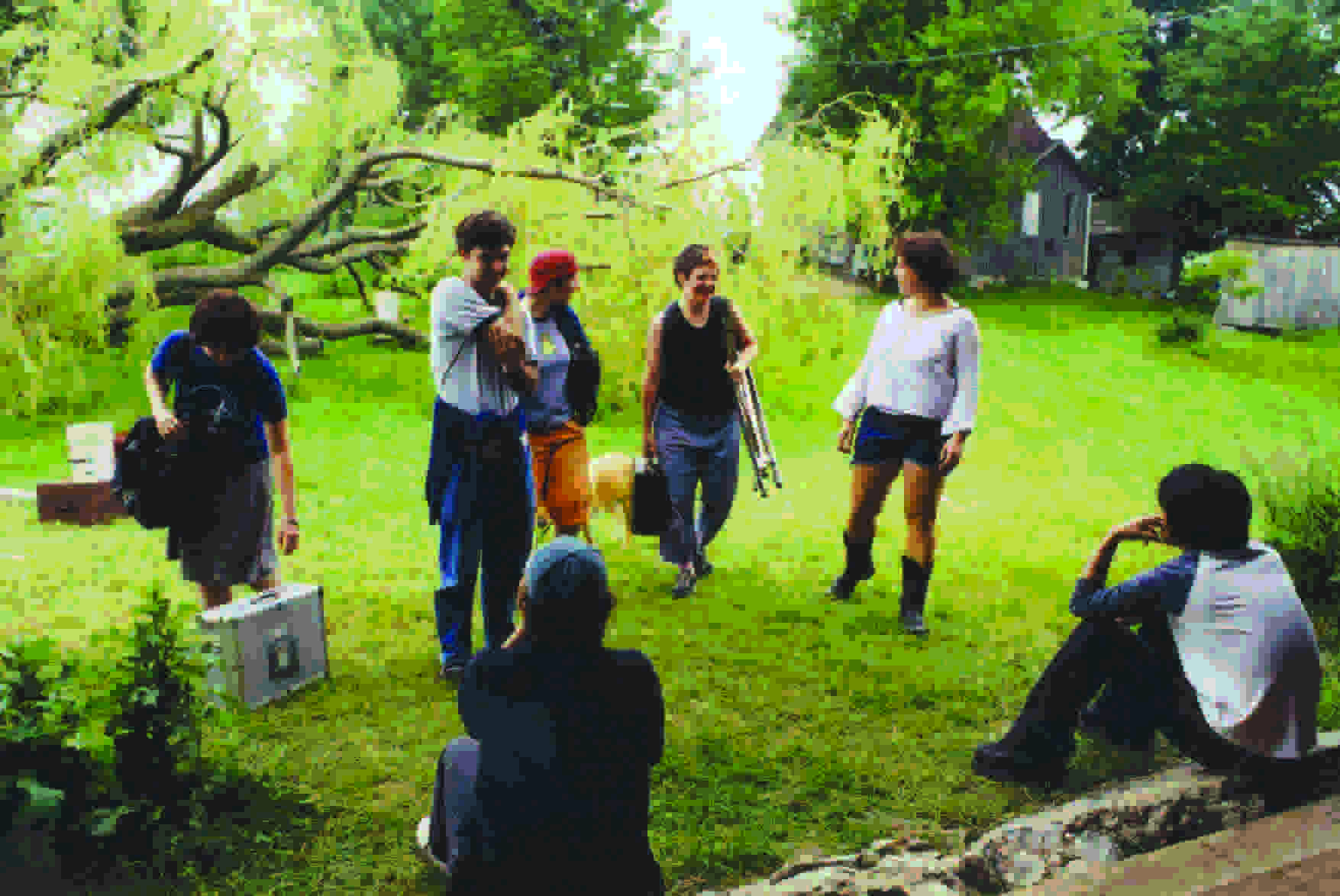
Trixy and Alexis arrive
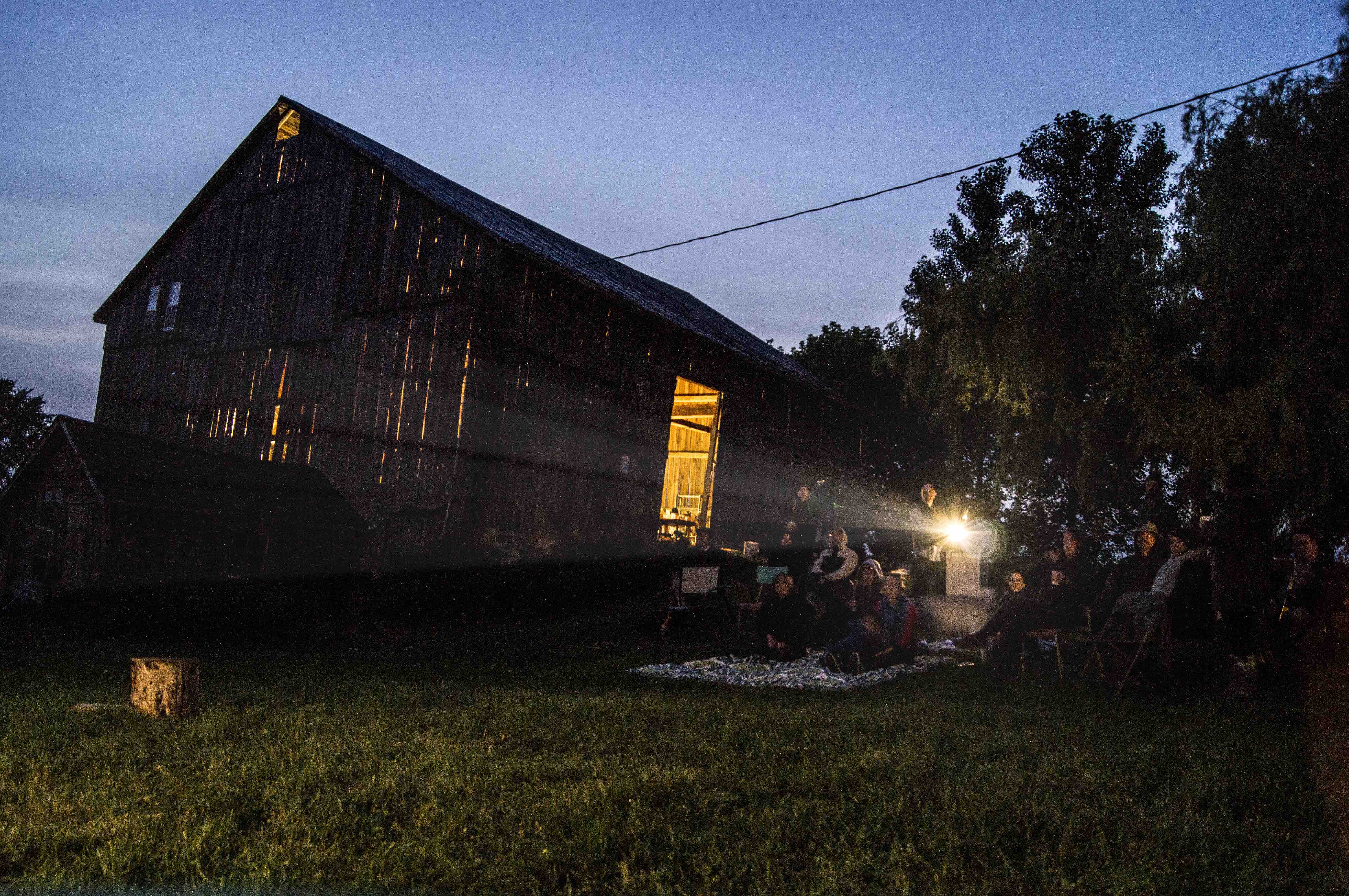
Outdoor Screening of `Blue Moses’

Janine on break!
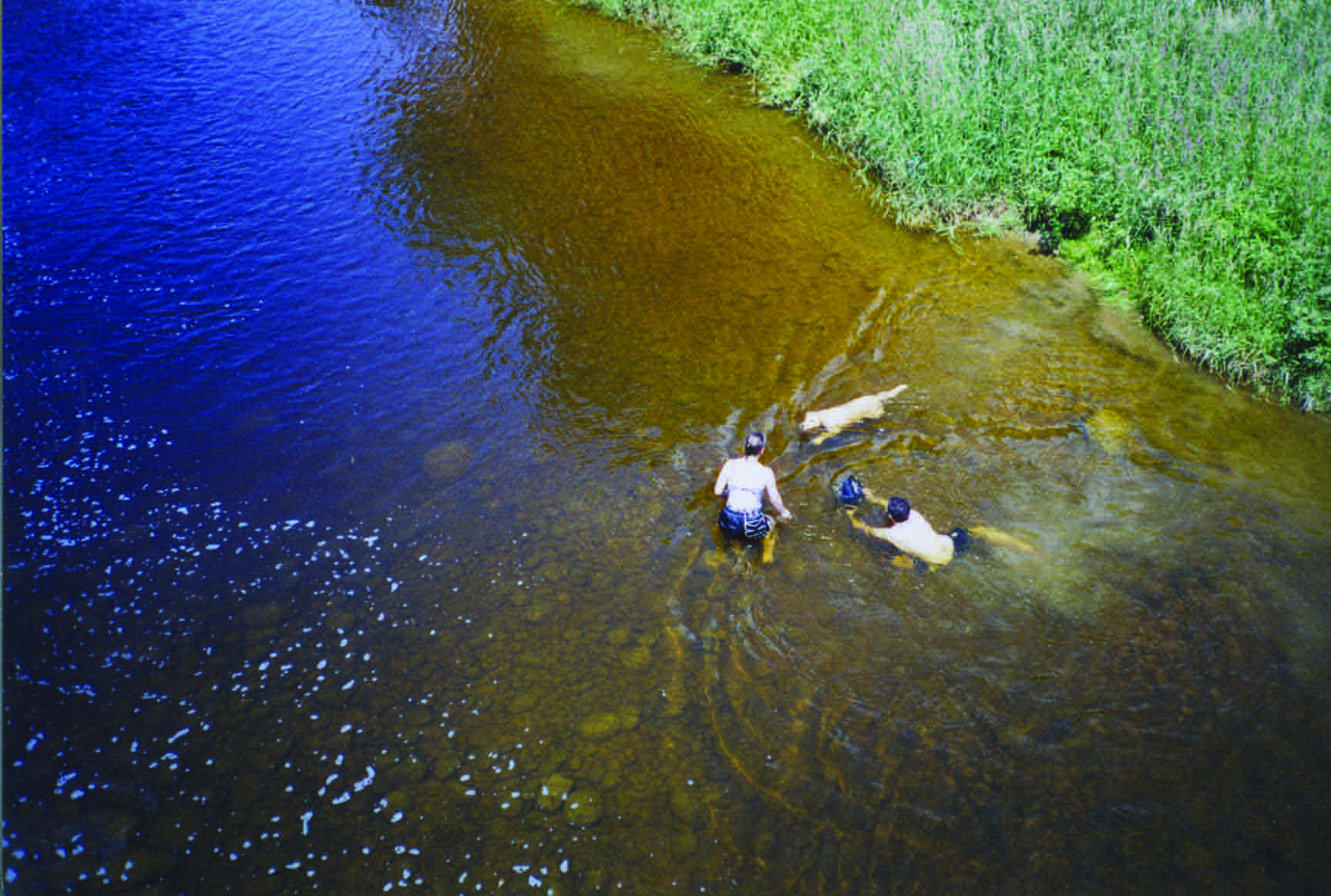
Sol Nagler films Arrow, with the help of Chris
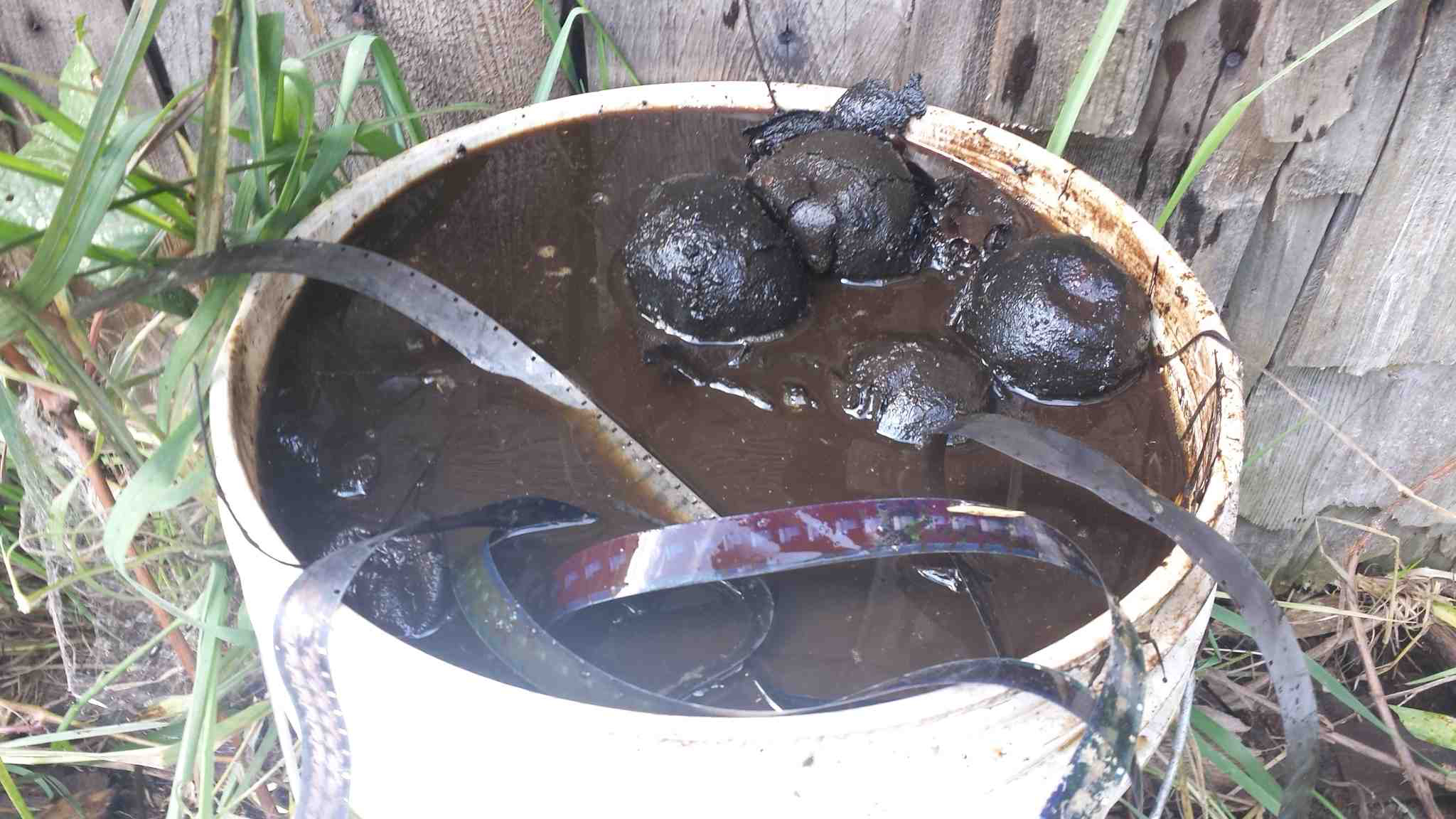
Walnut Toner, 2017 vintage
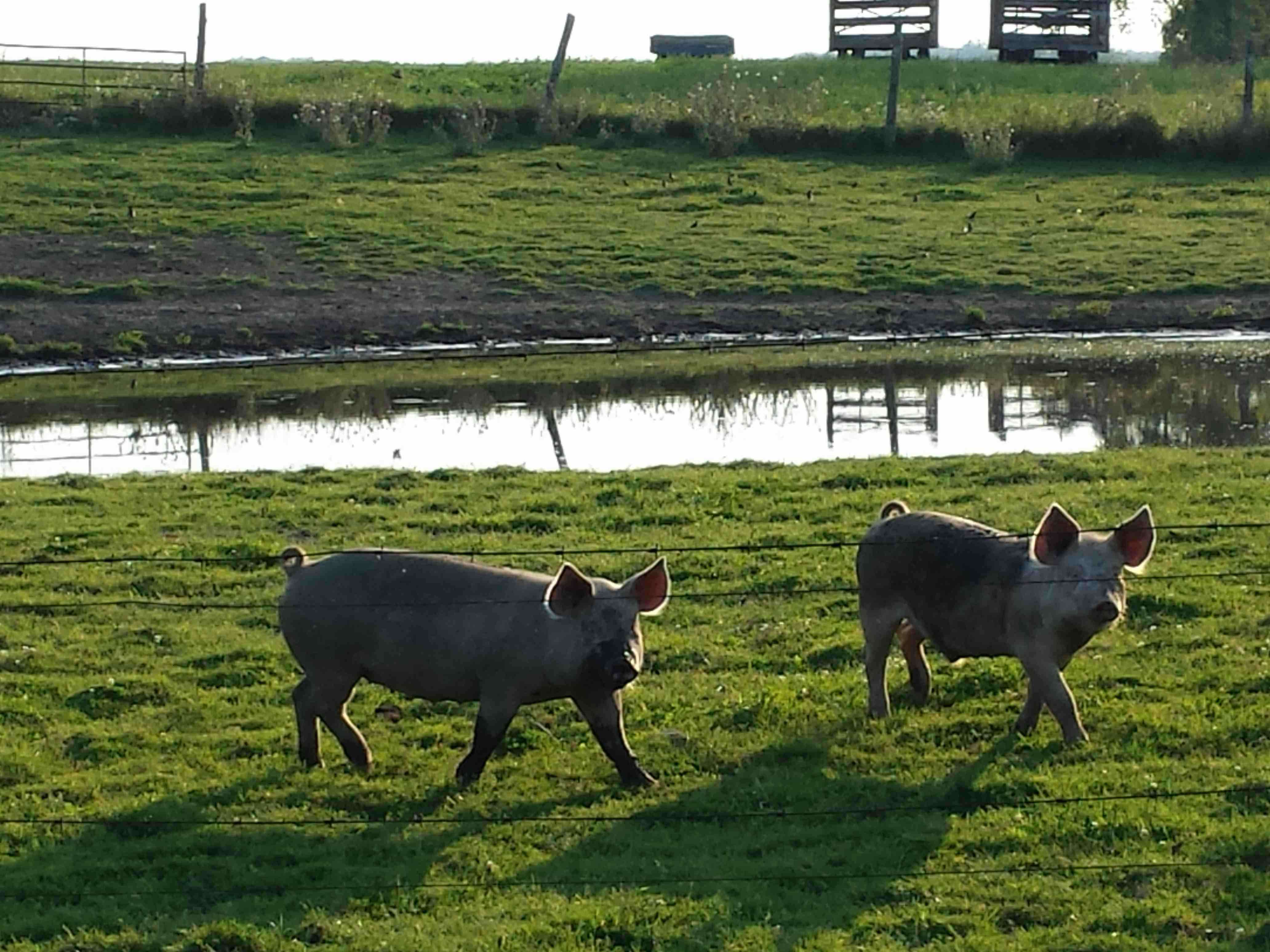
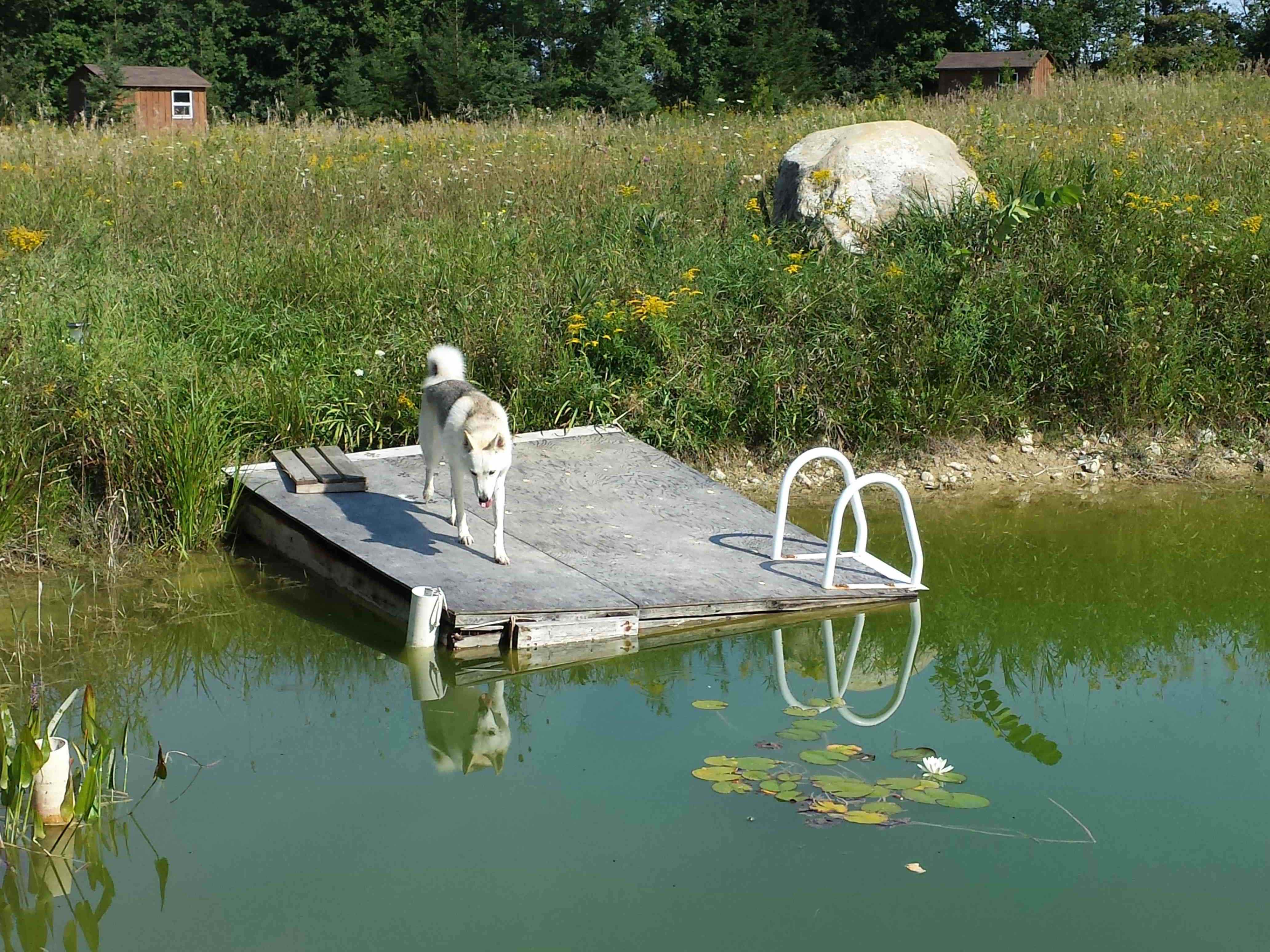
Astrid following fish
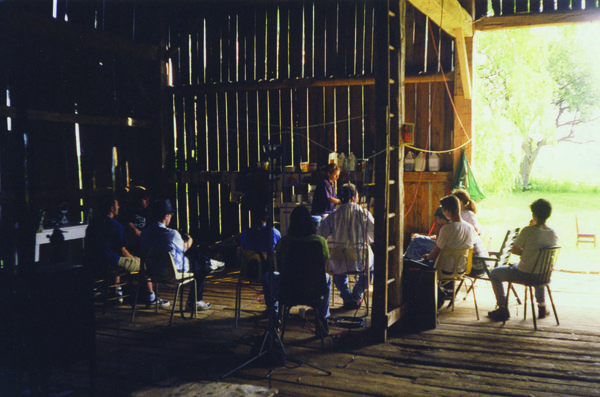
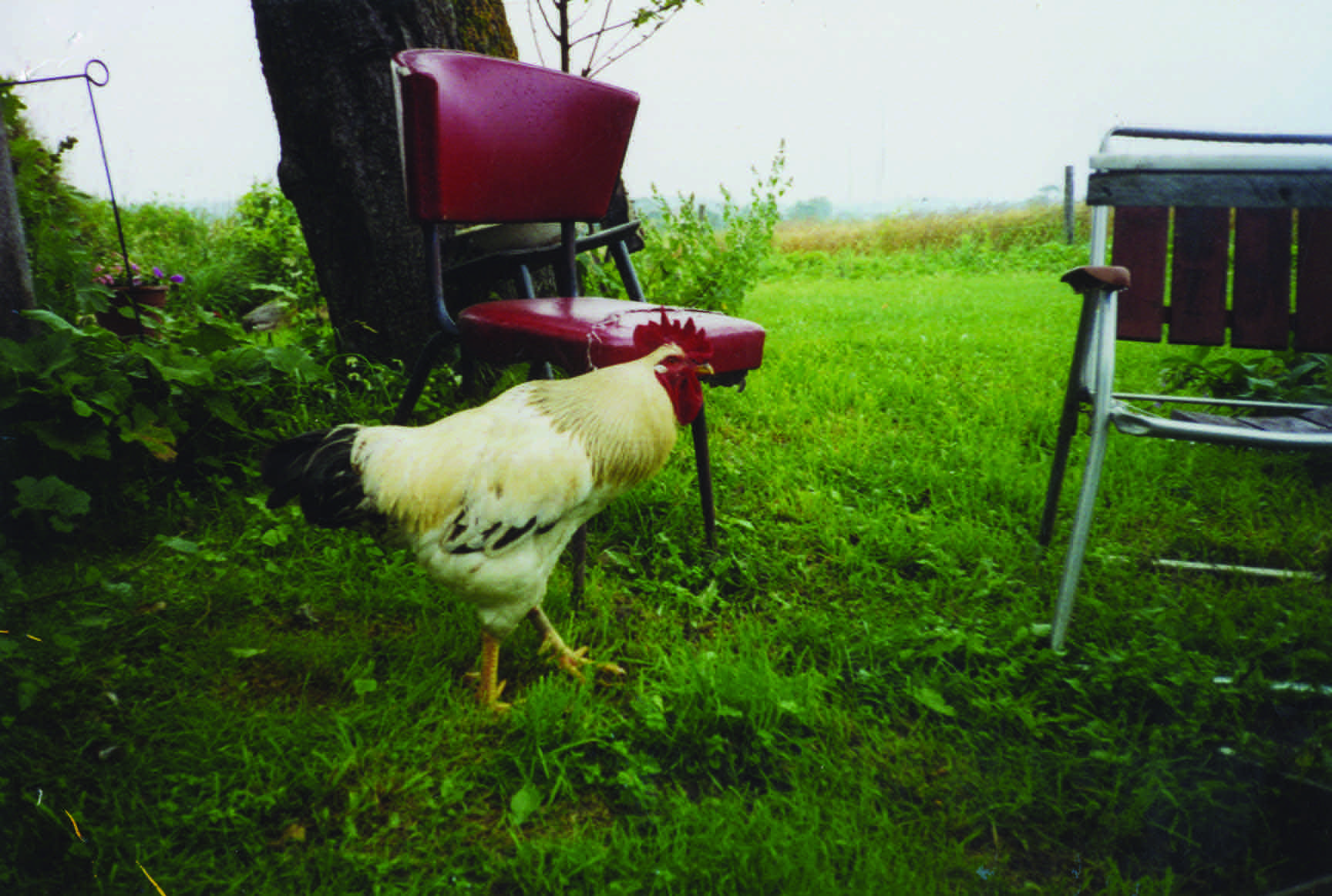
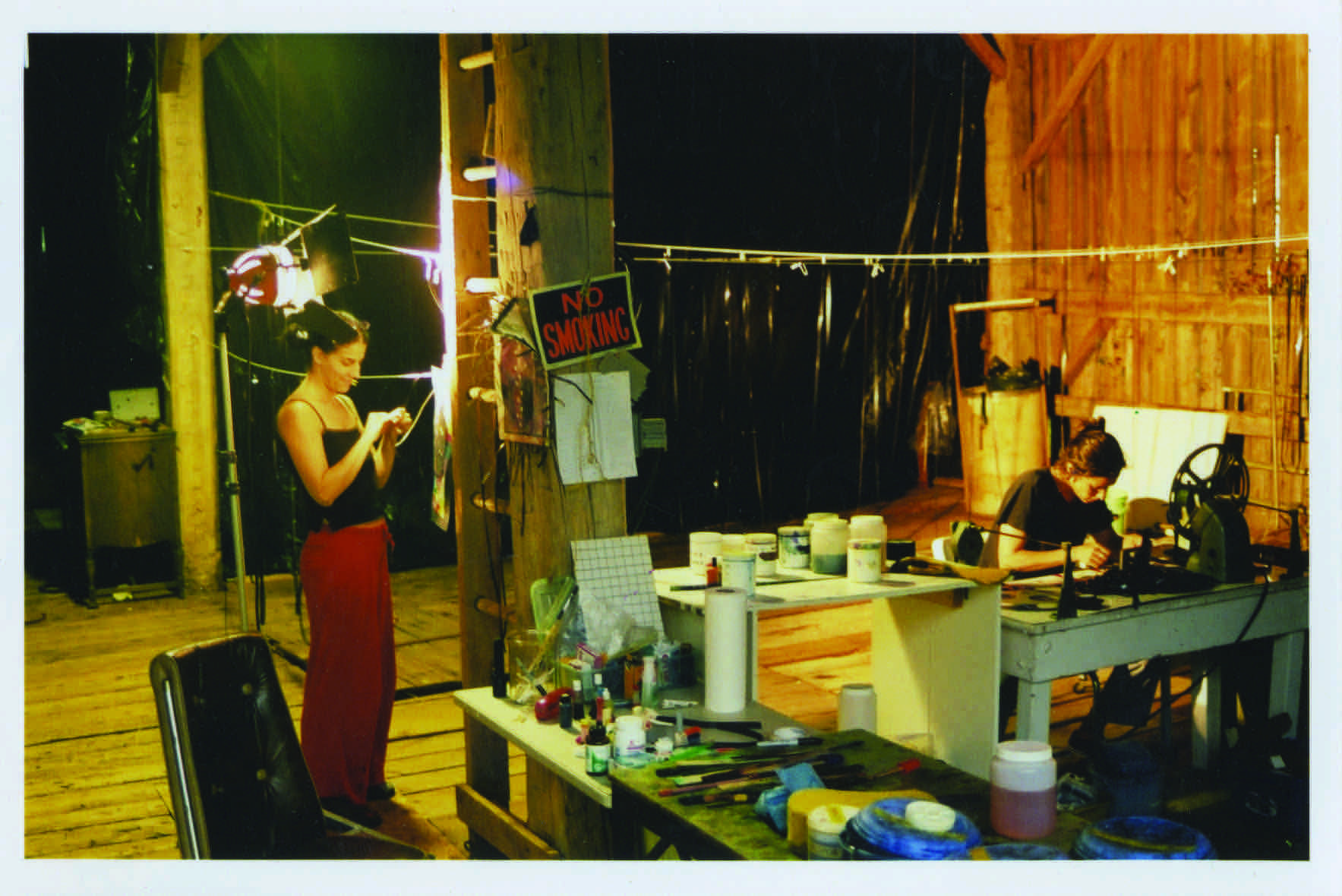
Lisa Vineberg 2003
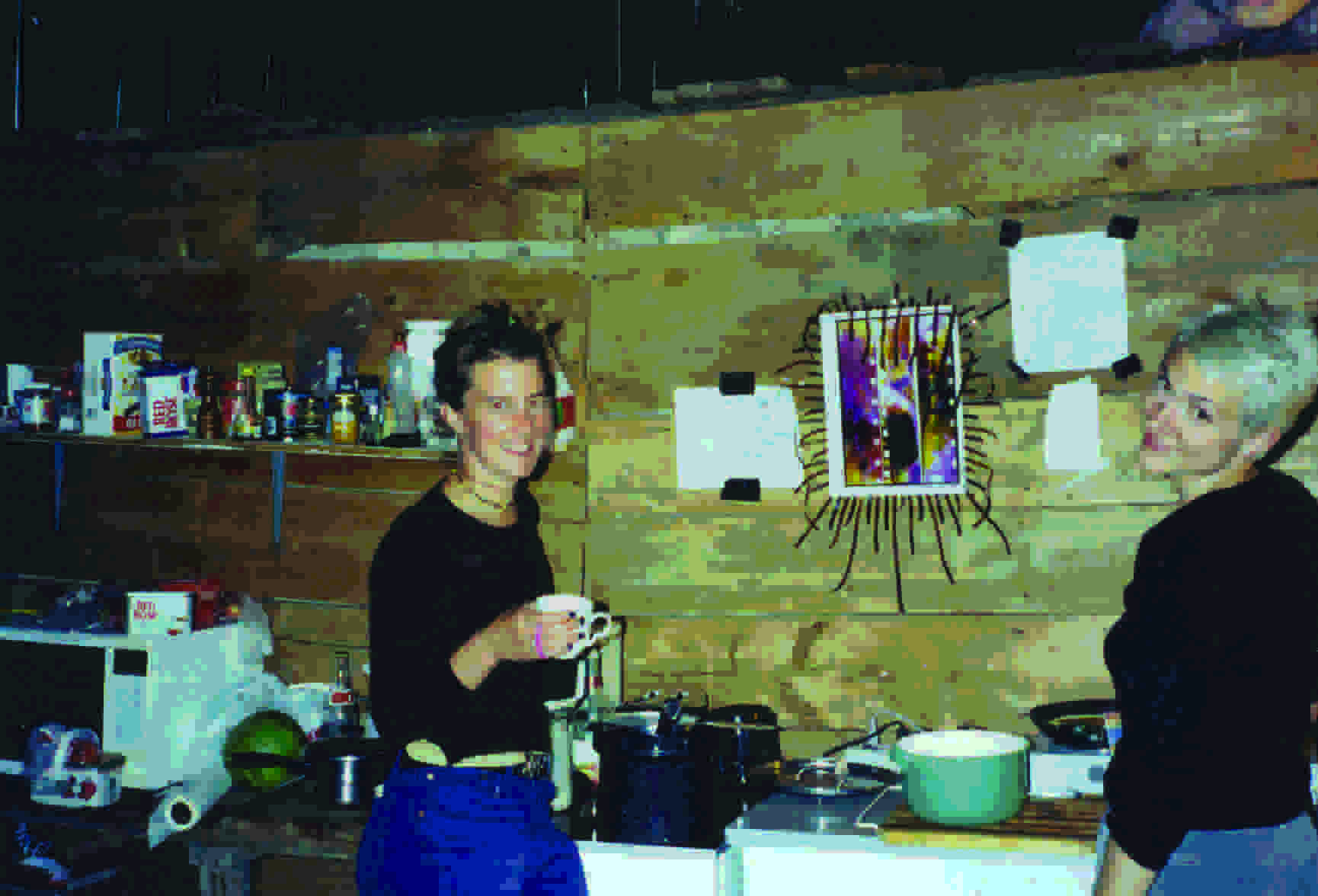
Heather Frise & Maia Carpenter 1999

“Analogue film is like Hardcore Punk, it’s for life!” – Patrick Mendes

Ken Paul Rosenthal plays Tarzan
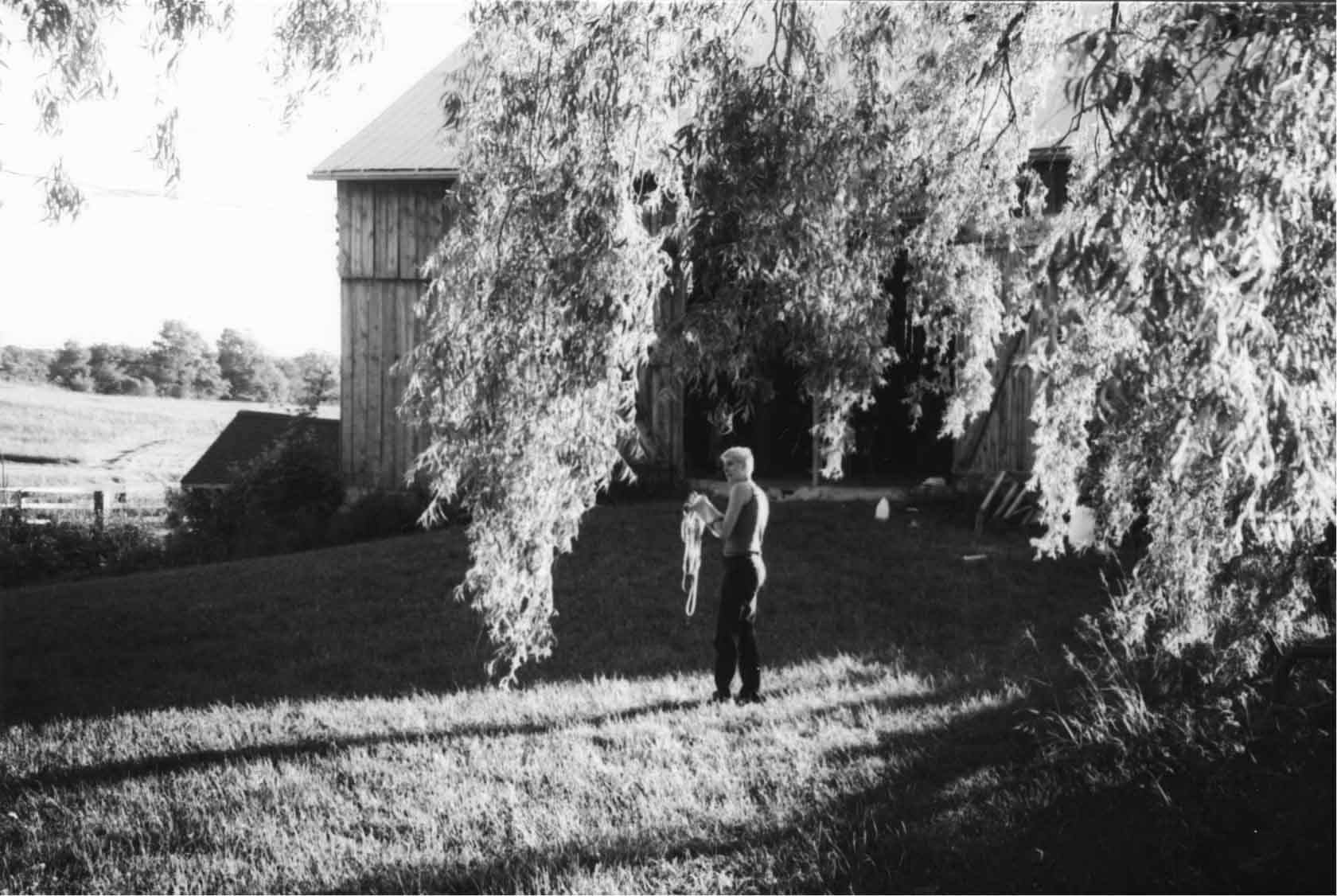
Maia Carpenter sun exposure

Chris Harrison underwater instructor
Cara Morton `Across’
The Independent Imaging Retreat acknowledges the generous support of:


 Sponsor of the Marion McMahon Award